
If you are a student and struggling to remember what you studied, maybe you are doing it wrong. You first need to understand that passive intake of information is not enough for efficient learning.
For effective memorization, meaningful understanding is the foundation. When you truly understand the concept, doing so facilitates intentional data transfer, which helps with long-term memory retention.
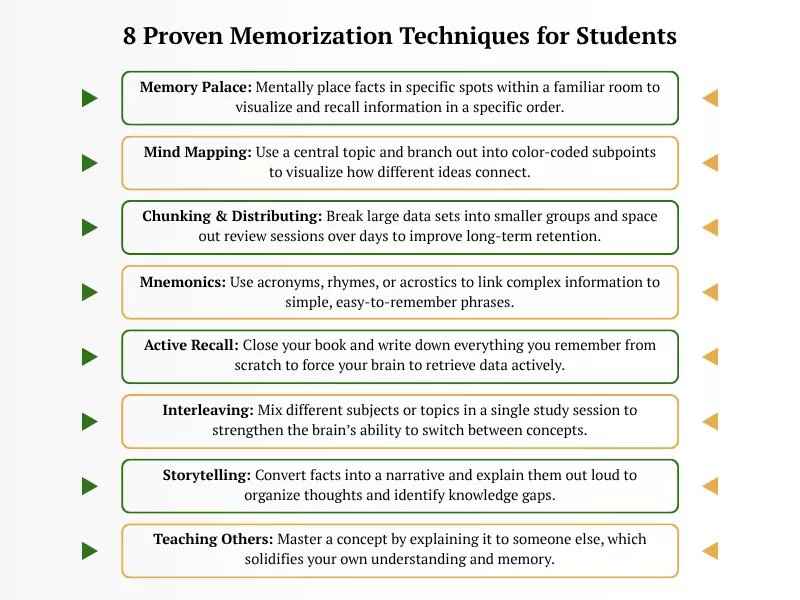
In this article, we will discuss the 8 best memorization techniques for students, including visualization, active recall, and structured repetition. But first, let’s understand the mechanics of memory and the environmental and biological factors that optimize cognitive performance.
Before you select a study strategy, first understand how your brain processes information as you study. It is estimated that our brain has 2.5 petabytes of information storage capacity. This is managed in three-step processes:
First, you pay attention to the information. It’s all about taking a “mental snapshot” of the material you’re reading through. If you are naturally interested in the topic, your depth of focus is likely to increase.
The information gets processed by your brain. This generally takes place during sleep. This processed information can be stored as either short-term or long-term memory.
When you try to recall something, your brain follows the established neural paths to retrieve the stored information. Basically, a hint or a few keywords trigger this action.
When you adopt a proper study habit, a healthy lifestyle, and choose an undisturbed learning environment, your memory system works better! Here are some important factors that optimize your cognitive performance:
When someone tries to learn a huge amount of information at once, they tend to have a “forgetting curve”. It is the natural degradation of memory over time.
However, forgetfulness is easily combatted by regular reviewing of the material over an extended period. This consistency also prepares you for grasping harder subjects.
While an organized and clutter-free space is essential for initial deep focus, sometimes changing study location can also help with information retention.
For example, you memorized a chapter while standing on the balcony, and subtle cues like the color of the wall or hanging pots also got associated with your learning process. As you try to recall the information later, looking at the balcony will help the memory stand out.
This is a very common psychological phenomenon called “context-dependent memory“.
Sharp cognitive health is a result of the biological support of your body. First of all, adequate sleep is essential to enhance memory through data consolidation. Taking frequent breaks, solving a puzzle, and meditation also enhance your cognitive function.
Lastly, having proper meals on time, taking care of physical and mental health through exercise and a balanced lifestyle make active recall study techniques for students more effective.
Online classes are integrated with advanced technology. Combined, virtual learning has transformed the learning experience of online education from an elective enhancement to a critical necessity for student success and institutional growth. As various researches confirm, EdTech and online classes can boost academic performance to a great extent, improving engagement and workforce readiness.
Through hyper-personalized learning and schedule flexibility, students are also now managing time better, multi-tasking and becoming highly digitally literate. In this article, we will discuss the impacts of online learning and its benefits in detail.
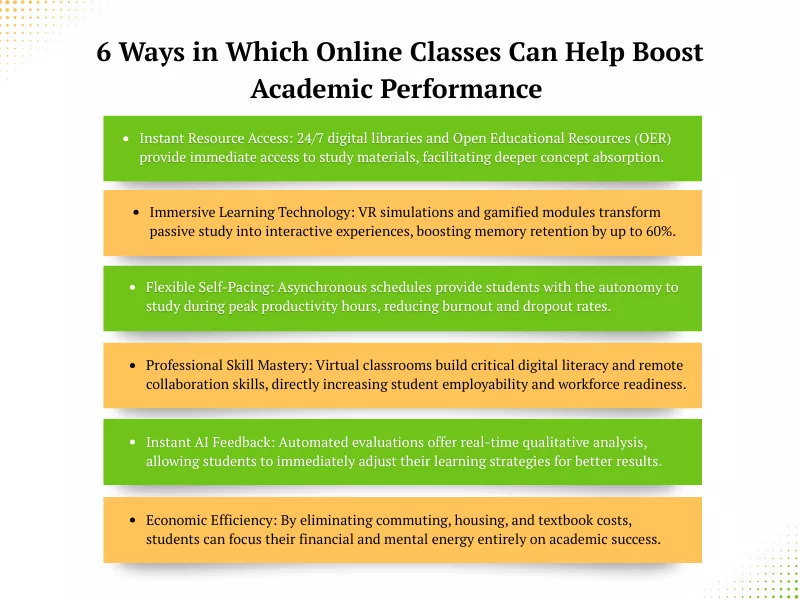
Here are the top online classes’ benefits that boost academic performance in students:
Academic success with online classes is significantly boosted by instant access to information through technology. Students can easily access study and research materials through various means, such as:
Online education also gives students the convenience of using strategic academic help to take my online class.
With the help of technology, online learning allows students to apply learned theories in real-world scenarios using simulated sessions. These made online study for academic improvement a success. To make virtual learning dynamic and more enjoyable, institutions are leveraging:
Due to all of these reasons, students are choosing online classes for better grades.
Flexibility and autonomy are among the main reasons why students are choosing online study for academic improvement. These include:
All of these combined make learning easier without feeling like a burden or obligation, while dropout rates among students in higher education also become low.
Choosing online classes for academic performance offers exposure to educational technology. Students are able to cultivate “soft” and “hard” skills during their online courses. These are applicable directly to the workplace today.
Here are some examples of core career competencies:
| Skills | How does it help? |
| Digital Literacy | Familiarity with digital platforms and effective online communication. |
| Information Management | The capacity to gather, structure and analyse data for informed strategic decisions. |
| Adaptability | Students who are exposed to a range of digital tools will be able to master new software quickly in the workplace. |
| Collaboration | Students become familiar with remote teamwork tools (Zoom, Slack, Asana) in preparation for globalized work environments. |
Studies show a significant positive impact on employability for those with online qualifications:
Online education has adopted AI-Powered qualitative analysis for data-driven decision-making. This technology helps process large volumes of unstructured data effectively. This helps administrators to decide where to start, stop, and continue to improve the learning environment.
Moreover, speedy feedback is a hallmark of digital coursework, which manual evaluation hardly matches. Advanced LMS systems streamline the student work checking process through automatic task evaluation.
Students receive immediate feedback on assignments and exams without waiting for days. This also helps them track their performance, and they can rapidly adjust their learning strategy to achieve academic excellence in future tasks.
Educators can also use the feedback data to personalize their teaching strategy. This ensures that individual student needs and challenges of online learning are properly addressed.
The switch to online education and e-learning materials offers huge cost-saving opportunities for both students and institutions.
A 2016 Samsung survey, widely cited by HP and EdTech publications, states that 7 out of 10 teachers want to use VR to simulate coursework-related experiences. Evidently, the virtual reality classroom experience is something that most teachers prefer for their students. But what’s the hype about virtual reality in online education?
To understand the hype, you first need to understand what VR is in education. Virtual Reality in online education is the use of computer-generated, immersive 3D environments to help learners experience lessons rather than just read or watch them. It can make online learning more interactive through virtual field trips, simulations, labs, and hands-on practice.
Now, let’s understand the benefits of VR in online education.
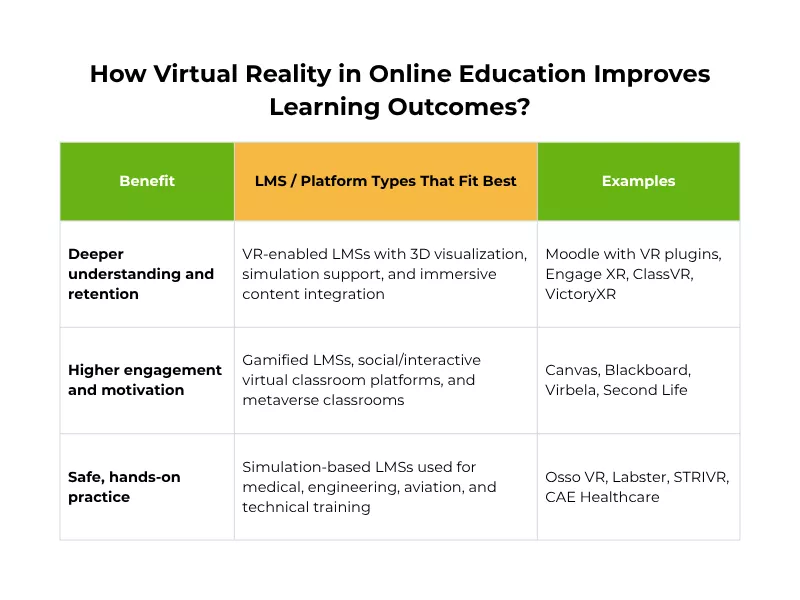
Online learning experience improves class engagement, understanding, and supports “learning by doing.” Furthermore, research suggests that VR‑enhanced online courses show better comprehension, retention, and motivation in the virtual environment.
VR lets learners explore realistic virtual environments with 3D models, simulations, and real‑world‑like environments (e.g., virtual labs, medical procedures, or historical sites).
This helps students visualize abstract or complex concepts. One study found students using VR in online classes had about a 30 percent higher improvement in concept comprehension than a control group using only conventional online methods.
One of the major virtual reality education benefits is boosts cognitive, behavioral, and emotional engagement. This is because immersive learning with VR experiences reduces boredom in online learning. Reviews of VR and AR in education report consistently higher interest, focus, and participation when students interact in virtual spaces rather than passively watching lectures.
VR learning provides realistic, interactive practice without the risks or costs of physical labs or fieldwork (for example, surgery simulations, technical‑skills training, or emergency drills). Because learners can repeat tasks and receive immediate feedback, VR‑based online education improves skill mastery and confidence over time.
While an immersive learning experience is always preferred, many students face challenges in understanding the VR content, and thus, they pay someone to take my online class. Furthermore, immersive experience also pose multuiple challenges.
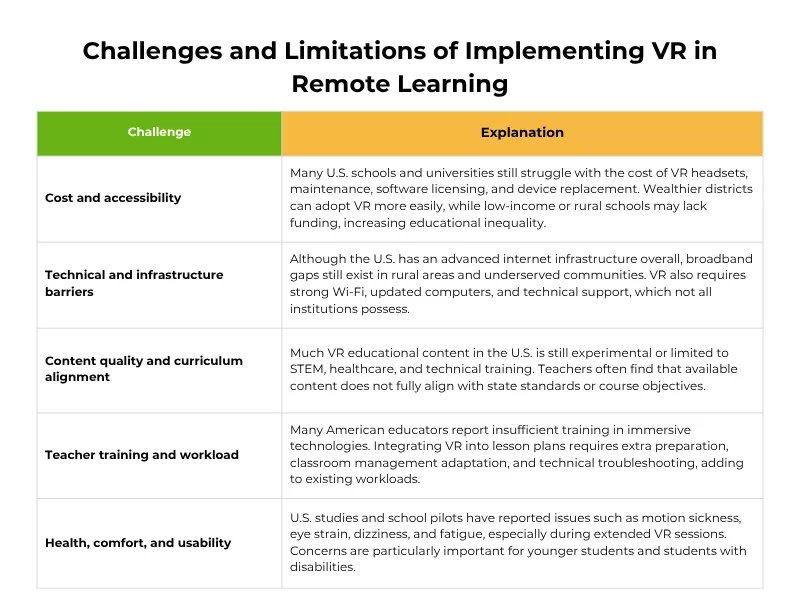
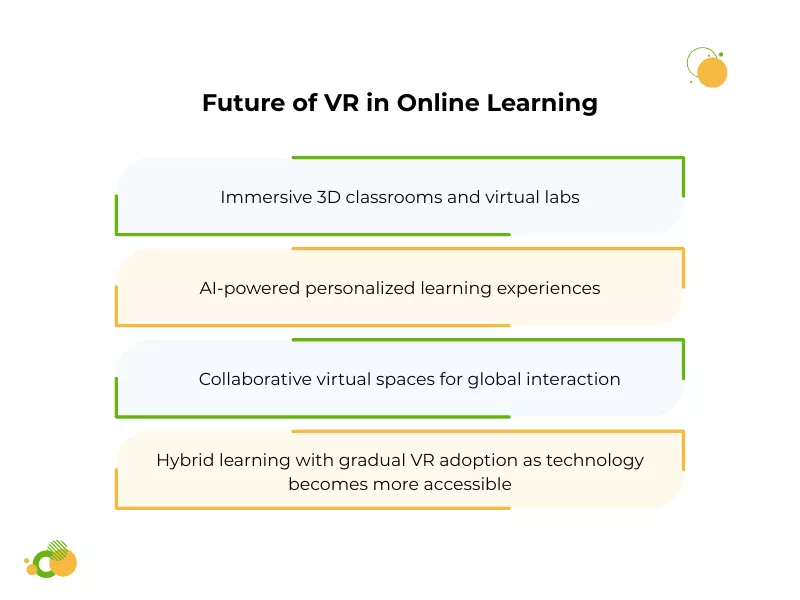
VR can transport students to explore virtual worlds and improve their interactive experience with friends together in shared virtual spaces. However, it is still not an effective online learning environment for multiple reasons:
Many US schools and universities search for affordable VR solutions for online education. This is because they struggle with the costs of VR headsets, maintenance, software licensing, and device replacement. While virtual reality can improve the teaching and learning process, for poor schools, funding for virtual reality for education is often inadequate.
Virtual and Augmented Reality require stable, high‑bandwidth internet, strong computing power, and compatible software, all of which are not always available in remote or rural settings. Thus, virtual reality technology often faces technical glitches, software bugs, latency, and compatibility issues that can disrupt sessions and reduce learning time.
Though virtual reality can improve online experiential learning, there is still limited, high‑quality, curriculum‑aligned VR content tailored to specific subjects and learning levels. Developing or customizing VR experiences is time‑consuming and costly, and poorly designed content can confuse learners or distract from core learning objectives.
Teachers need substantial training to design, manage, facilitate, and create immersive virtual world VR‑based remote lessons effectively. Many educators already face time and training constraints. Therefore, adding VR technology increases workload and can create resistance if adequate support is not provided.
Collaborative learning using VR simulation and the best study tools and apps transports students to a world that enhances the learning experience. However, some users experience motion sickness, eye strain, headaches, or fatigue during prolonged VR use.
In fact, in remote‑learning settings, students are already sitting for long online hours. Younger learners or those with certain disabilities may also struggle with the spatial navigation and control demands of VR.
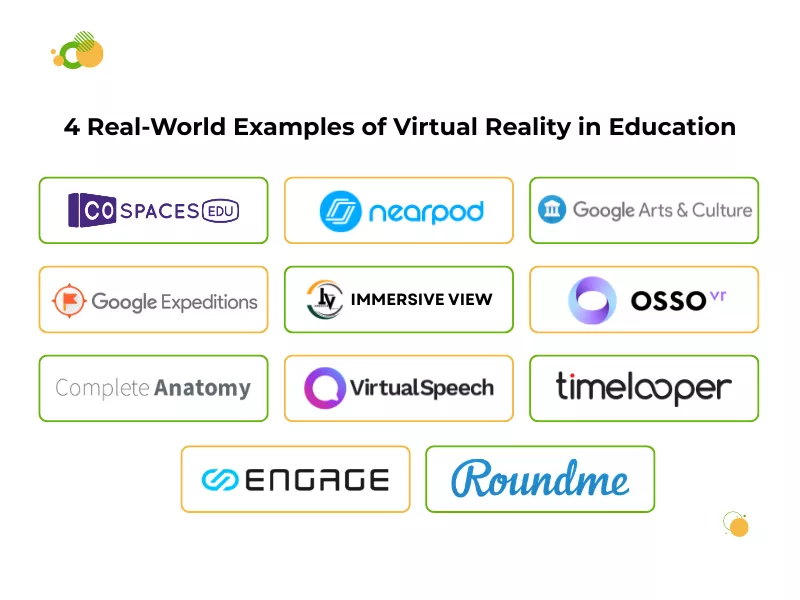
Virtual reality in e-learning is allowing students to “enter” a simulated world rather than just reading or watching content. Let’s check out some of the real-world examples of VR in education:
Virtual Field Trips (e.g., CoSpaces Edu, Nearpod VR, Google Arts & Culture)
Students to experience the shared virtual world put on VR headsets and explore museums, natural wonders, or global landmarks in immersive 360° experiences.
For instance, platforms like CoSpaces Edu and Nearpod VR continue the “virtual field trip” concept that Google Expeditions popularized, now via updated tools such as Google Arts & Culture and Immersive View.
Medical and Anatomy Training (e.g., Osso VR, Complete Anatomy)
VR allows students to practice surgeries in risk‑free simulations of medical schools and hospitals. Furthermore, VR can be used to explore the human body and manipulate 3D anatomy.
For example, Osso VR and Complete Anatomy improve spatial understanding, procedural accuracy, and clinical confidence before touching real patients.
Virtual Public‑Speaking Practice (e.g., VirtualSpeech)
Use of VR for language learning can build confidence, reduce anxiety, and is widely used in professional courses and soft‑skills or ESL training.
For example, tools like VirtualSpeech place learners in front of a virtual audience that reacts realistically, helping them practice presentations, pitches, and language-learning scenarios.
Historical and Cultural Immersion (e.g., TimeLooper, Engage XR, or Roundme)
VR experiences such as TimeLooper or Inception VR recreate past events and environments (for example, the London Blitz of 1940–41) so learners can “walk through” history and culture in 360° space. These reconstructions deepen contextual understanding, empathy, and narrative engagement beyond textbooks or videos.
| Aspect | Traditional Online Classes | VR in Online Education | Why VR is better |
| Learning experience | Mostly watching videos, slides, or reading text. | VR technology offers fully immersive 3D environments where students “enter” the lesson. | Spatial, multi‑sensory experiences improve understanding and make lessons feel more real. |
| Student engagement | Often passive; easy to multitask or zone out. | VR can simulate high interactivity (move, click, manipulate objects, respond to tasks). | More active participation increases attention span and reduces boredom. |
| Hands‑on practice | Limited to simulations, quizzes, or downloadable templates. | VR can provide safe, repeatable practice (labs, surgeries, equipment, soft skills). | Enables “learning by doing” without real‑world risk or cost. |
| Retention & confidence | Knowledge may fade quickly without practice. | Studies report VR can help with faster knowledge retention and higher confidence. | Learners are often 2–3× more confident and twice as fast at retaining material. |
| Accessibility | Accessible with internet but limited by physical resources. | VR education can simulate labs, field trips, or equipment that are otherwise unavailable. | Extends high‑quality, hands‑on learning to remote or under‑resourced settings. |
| Motivation | Can feel routine or repetitive or low-stimulus. | With novel, game‑like experiences, VR can help students increase interest and motivation. | Immersive design and gamified elements boost willingness to engage and persist. |
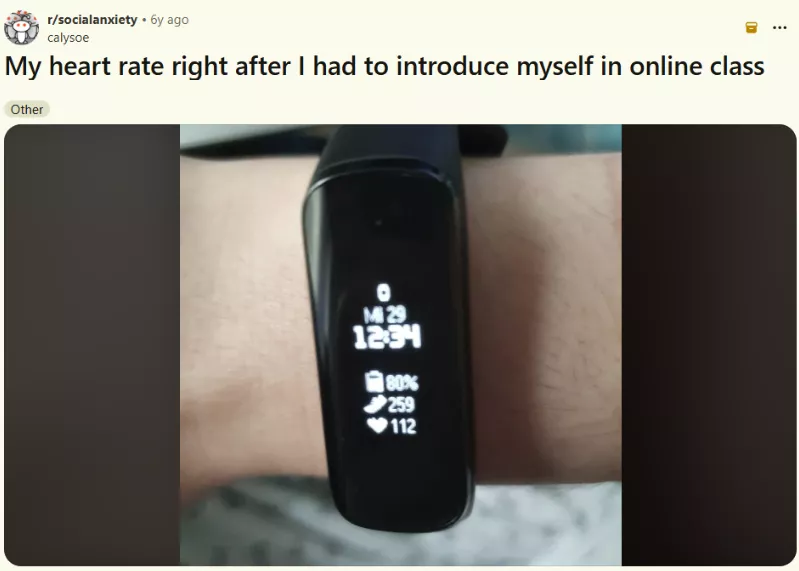
It may be a bit awkward to start an online class. You’re in your home, sitting at a computer, and you just need to introduce yourself in a virtual class to people you’ve never met before. What do you even say? What is enough and what is too much? Will you be too formal or too casual? These are actual questions, and this guide provides answers to all of them.
If you are looking for online class introduction examples, step-by-step tips on how to introduce yourself in an online class, or a script on how to introduce yourself professionally in a Zoom class, you’re in the right place.
When you are in a regular classroom, your classmates and teacher get to know you gradually as you are in the same room. Online learning is NOT like that! The first time you introduce yourself in an online class, it’s often the first genuine indicator you give of who you are. A kind and welcome introduction establishes a good tone for the whole semester.
Students who get off to a good start are more comfortable communicating in online discussions and group work. You are more likely to be engaged, to ask questions, and to feel like you are part of the real classroom community, even remotely.
Taking part in online discussions and group projects is equally important when you start your semester to get a better understanding of your environment.
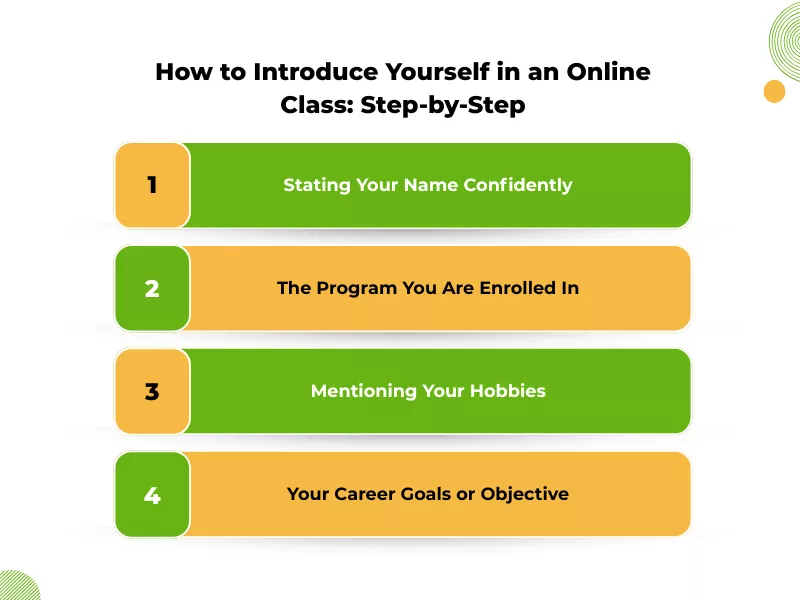
You do not need to share your entire life story. A good introduction covers just a few key things and leaves people wanting to know more. Here is what to include:
Open with a greeting like “Hi” or “Hello” and then clearly state your name. Something as simple as “Hi, my name is Jordan” or “Hello, I am Alex” is a perfect start. Do not bury your name at the end or assume people will figure it out from your profile.
Tell your class what you are studying and what year you are in. This gives everyone useful context right away. For example: “I am in my second year of the Business Administration program.” It often sparks conversations with students in the same field or with similar academic goals.
Mentioning your hobbies is one of the easiest ways to make your introduction feel real rather than robotic. Share one or two things you enjoy outside of school. Whether it is photography, cooking, gaming, or hiking, a small personal detail helps classmates find common ground with you. For example: “Outside of class, I spent most weekends doing street photography around the city. I find it’s a great way to slow down and notice things most people walk past.”
Sharing your objective or the reason you are taking this class shows your instructor and classmates that you are focused and motivated. You do not need to write a full career plan. A sentence like “I am taking this course to develop my skills in data analysis for a career in marketing” is specific enough to be interesting and short enough to be appropriate.
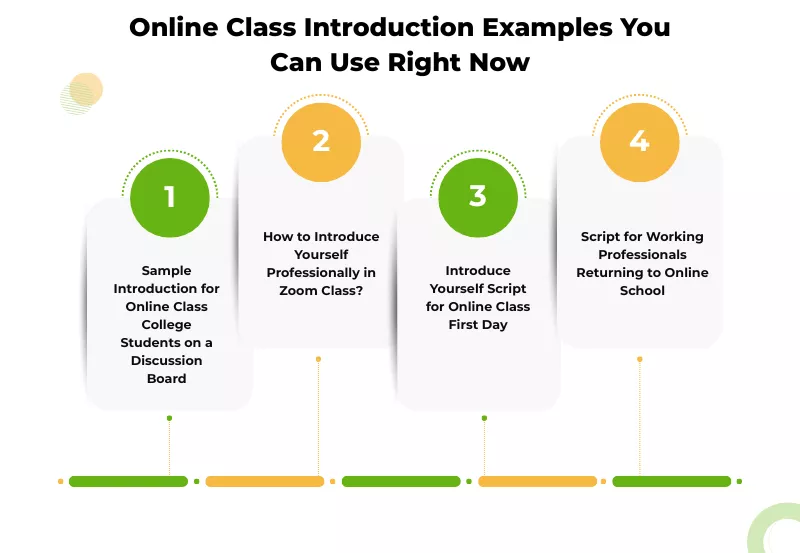
Starting a new semester means you have to introduce yourself across discussion boards. However, it is not always obvious what to say. These sample introductions cover the most common formats for different situations, so you can see what works and why.
Whether you are posting on a class forum or speaking live, feel free to adapt any of these to fit your voice. And if the pressure of keeping up with everything at once feels like too much, you are not alone. Many students look for extra support, including help to take my online class for me.
“Hi everyone! My name is Allen, and I am a 2nd Year Nursing student. I came here to study in college, and for me, online learning has been a wonderful way of studying. My goal is to become a pediatric nurse, so this course feels like a step closer to that. In my free time, I like to paint and go to local coffee shops. I am truly looking forward to getting to know all of you via this discussion forum this semester! Don’t hesitate to reach out to me at ANY time!”
“Good morning! I am Daniel. I’m in the MBA program here, and I’ve been working in finance for approximately three years. I want to come back to school to enhance my own leadership skills and eventually move into a senior management role, so I’m really looking forward to working with all of you virtually this term.”
“Hi, my name is Sam! I am a junior majoring in Communications. I am passionate about storytelling and how language shapes the way people connect, and I hope to build a career in content strategy and brand communication. Outside of school, I love photography and hiking. I am a little nervous about the virtual format, but genuinely excited to learn alongside everyone here. Looking forward to a great semester!
This introduce yourself script for online class first day works well in the class ahead. However, it is quite normal to get nervous before the introduction.
“Hi everyone, my name is Loren. I work full-time in project management, and I am returning to school to complete my degree after a few years in this field. I am taking this course to sharpen my strategic thinking and eventually transition into operations leadership. I am excited to learn alongside you all.”
If your instructor has said you do not need to post anything on a discussion board, but instead an introduction email, here is a template to customize:
Subject: Introduction from [Your Name] – [Course Name]
Dear Professor [Last Name],
My name is [Your Name], and I am enrolled in [Course Name] this semester. I am currently in my [year] year studying [Major/Program] at [University Name].
I chose this course because [explain the reason or interest for your participation. Aside from schoolwork, my other passion is [one or two hobbies], which keeps me grounded and on track as a student.
I’m very excited about the course and am glad to contact you with anything I can before we start.
Best regards,
[Your Name]
This introduce yourself email template for online class is polite and objective-driven without sounding stiff. Good communication skills show up in how clearly you present your personal details, so always check for typos or grammatical errors before sending.
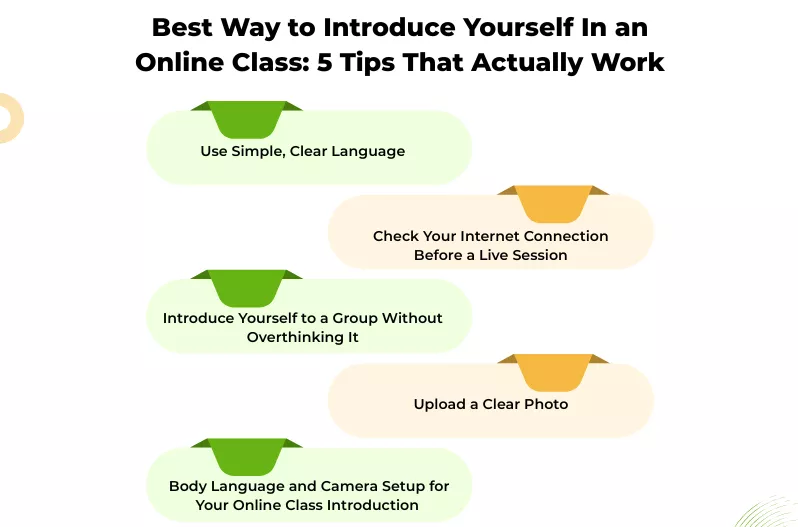
Depending on the formatting, the best ways to introduce yourself virtually will vary. You have time to think and edit a written post on a student profile or discussion board.
A Zoom live session is real-time and involves clear communication. In both cases, it’s about being concise, clear, and authentic. These are some tips for both.
Don’t use long sentences or words to understand. You want to be clear and easy to understand, as if you were talking to a new classmate on the first day of school. The friendly, natural style is far more effective than the formal style.
Test the internet connection and microphone before any live class. Arrive a few minutes before. Mid-introduction technical problems can be a distraction and a frustration to all. It can help to avoid a lot of extra stress if you check first.
If you introduce yourself to a group in an online environment, stick to the essentials: Name, Program, one personal detail, one goal. If it helps, write these down before class. But it is not perfection that is the goal. It should be sincere and friendly.
Before your class introduction, add a clear, recent photo to your student profile or your platform account. It helps classmates to recognize you even when your camera is off.
The way you appear on the screen matters a lot. A few adjustments can make your introduction feel confident and polished:
Very few students find it difficult to give a self-introduction because of a lack of content. Their problems stem from a few bad habits that they can avoid. Be careful of:
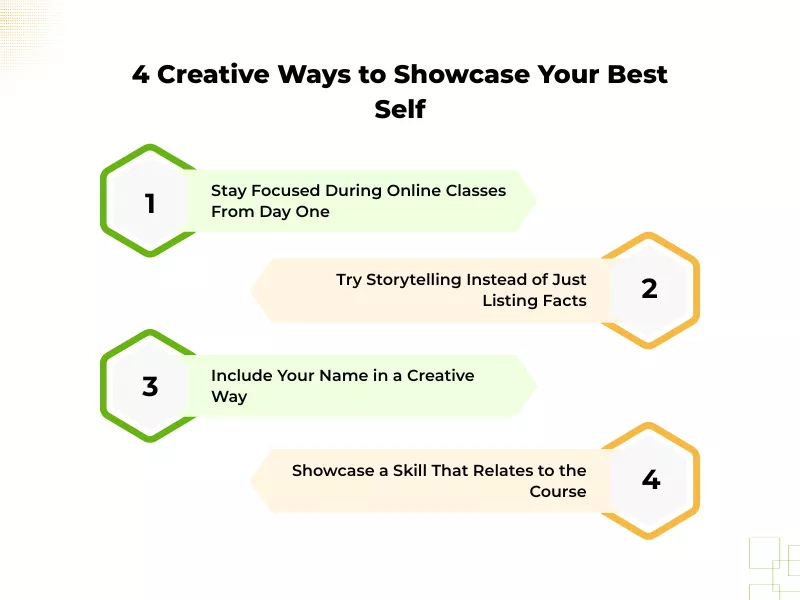
Have you ever wondered about the first impression in your online classroom? Well, in online education, first impression matters. Your first impression actually sets the course for your entire semester. If you are enrolling in an online class and are worried about how to approach it, then this blog is for you.
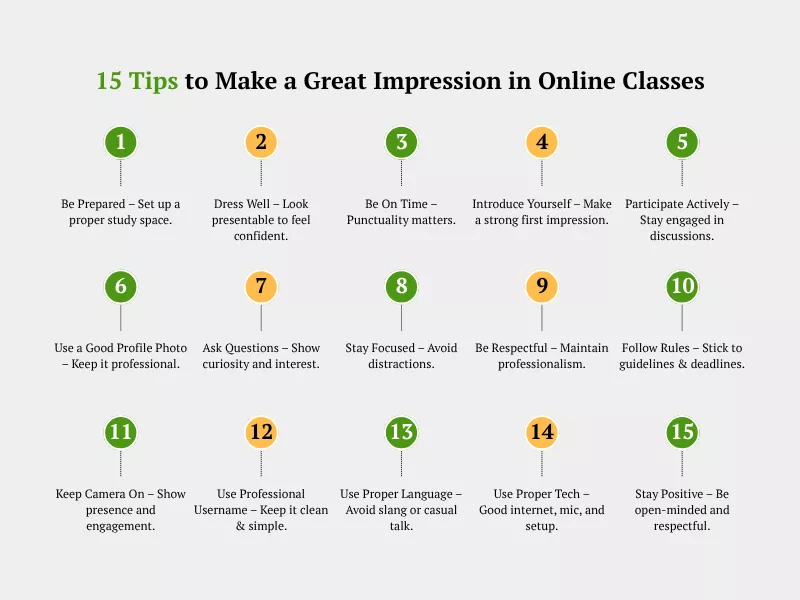
Here we have listed 15 tips to help you impress your teacher on the very first day.
The first impressions in a virtual classroom matter because teachers decide very quickly whether the student is on time, engages with the class, organizes notes, and is worth paying attention to.
Furthermore, the online classroom first impression affects participation. An active and interactive student is included more in the discussions, group work, and peer interaction.
Just as on the first day, students judge whether the teacher is welcoming and approachable. Teachers also feel motivated by a professional online classroom setup.
In short, the first few minutes answer one silent question: “Is this class going to be easy to follow and worth my attention?” Therefore, making a good first impression in your online classroom is essential.
Now, let’s see how to make a good first impression in online classes!
I get asked this question a lot. How can I ensure I do a good job as an online class helper? It’s a fair question.
So, instead of just telling you that I am good at it, let me share the actual life of an online class helper. It will include how I work, how I handle things when they get tough, and why students keep coming back.
The day in the life online class helper starts like this: Before doing anything, I open every active course I am managing. I go through all of them and make a priority list. It’s like:
It is a system, and I know exactly what my day looks like and in what order I will start doing the work.
This part matters the most. When you hire someone to take their online class, you have to share login credentials. It’s a big deal. Here’s how I handle it:
I also pay attention to the account privacy patterns. The online class login details play a major role. It is important to do so as some platforms flag unusual login locations. If something looks similar to that, I immediately inform the student.
That’s how their account stays safe, and it’s non-negotiable.
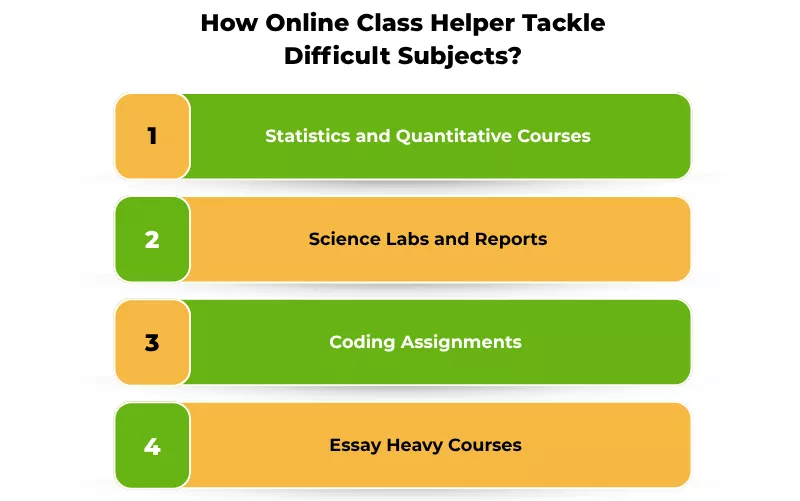
This is where I give most of the time. I don’t entertain any distractions during this time. Difficult subjects need deep thinking.
Students struggle a lot while solving problems in these courses. One wrong formula can ruin the whole calculation, which is why they look for take my online class for me. I work through them step by step. After that, I double-check the answer before moving forward.
Lab reports have a specific structure. Each section has rules. I follow the exact format that the professor wants.
Code either works or it fails. I test every code before submission. If the assignment needs comments in code, I add them too.
Such courses need strong arguments, proper citations, and a clear structure. Students lose marks because of bad writing and thus want to hire online class helper. I make sure to read everything carefully and add everything that is being asked.
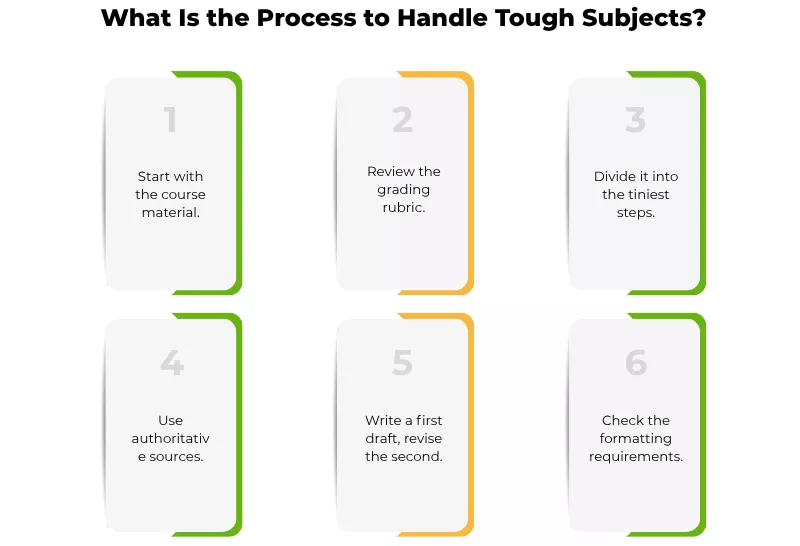
I’ll be honest. Not all subjects are just natural to me on day one.
However, the difference between a student and me panicking the night before is that I have a process.
This is what I do when I strike something tough:
Online learning systems are not necessarily credible. I’ve seen it all:
Online class help worker typical day spend doing this:
The majority of professors allow extension due to common online class technical issues. But you need proof. I assure you, we have it.
I check in with every student I’m working with, every single day. I present to them real facts:
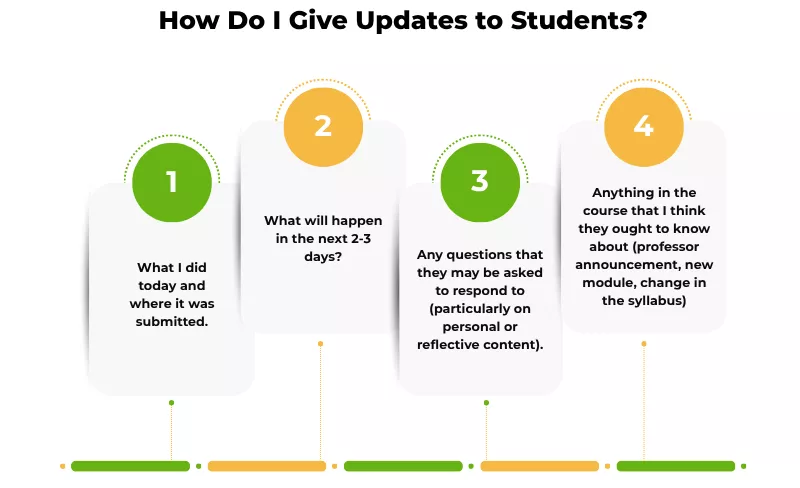
This keeps the students in the loop without them having to run after me. They never feel that their grade is not in good hands.
Some students reach out late in the day with urgent requests. A discussion post overdue. A quiz is opening in two hours.
These are challenges in a day of online class helper, but I don’t turn these away. I am a fast and thorough worker.
Prior to submission:
Thereafter, I update the student.
When you hire an online class helper, you’re not just paying someone to click through assignments.
You’re getting:
You are in charge. I handle the work. And your grade shows that.
Now it’s clear what does an online class helper do daily. The majority of students who contact me are not unable to perform because they are not smart. They are having a hard time; they are overworked. Work, family, health problems, and several classes at the same time.
Getting help doesn’t mean giving up. It implies being savvy with time and your priorities.
I have assisted students to pass courses that they were about to fail. I have assisted people in completing degrees they had been putting off over the years. I have assisted parents in resuming education without losing their heads.
When you are wondering whether or not you should take online class help services, the answer is in the work. And now you know exactly how I do it.
Remember the day when you sat with your assignment only to realize that you had missed the deadline already. If this seems like an everyday event to you, you are in trouble. But fret not! BoostMyGrade has your back.
A recent survey showed that more than 56% students miss an online class deadline every week. Meaning you are in the majority. But don’t be proud! Instead, let’s focus on how you can be in the minority, so you graduate with flying colors.
Though the foremost thing you need to understand is that missing an online class deadline typically results in grade penalties. However, the outcomes vary by instructor policy, course platform, and whether you communicate promptly.
Platforms like Canvas, Blackboard, WileyPLUS, and Cengage MindTap often automate late penalties or block submissions, yet recovery is possible through extensions or makeup work.
| Platform | Late Submission Handling |
| Canvas | Automated penalties (e.g., 10% per day); rounds up time. |
| Blackboard | Often allows late subs with penalties per module policy. |
| WileyPLUS | Frequently, no late submissions are accepted. |
| Cengage MindTap | Instructor-set late periods with penalties. |
Now that you know the policies, let’s focus on what to do if you miss online course deadline!
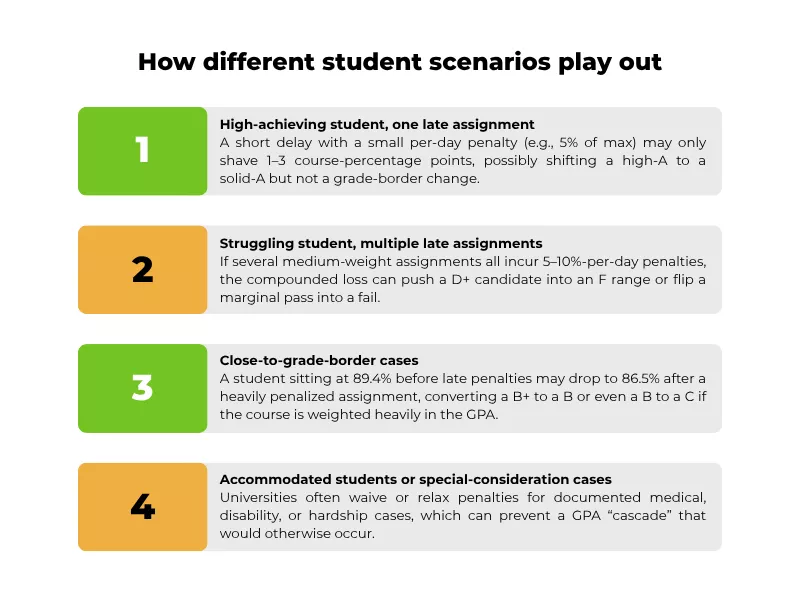
One of the common scenarios are late penalty, a locked submission window, or a zero until the instructor or LMS processes the work. Many online course policies also automatically deduct points for late submissions, such as 5% to 10% per day, depending on the class rules and learning platform settings.
Instructors only offer extensions if you miss an online class deadline because of common online class technical issues.
Now, let’s understand what you can do during late assignment submission online. But first, don’t panic. Panic leads to procrastination. Instead, follow this recovery roadmap:
Before you email your professor, check the course policy. Does it allow for “one free late” pass? Is there a 24-hour grace period? Knowing the rules helps you frame your request.
Furthermore, you need to understand that if you are five minutes late, then a simple technical glitch can fix your problem. If you are five days late in submitting the assignment, then you can be honest with your professor, and you might get an extension. But if you are five days late, you will require a formal appeal.
While being failed online class due to deadline is not common, some professors are strict. So, you must connect with the professor as promptly as possible. Silence is the enemy. Email your professor as soon as you realize the mistake. Be professional, take responsibility, and avoid making up elaborate lies.
Even if the portal is closed, finish the assignment and attach it to your email to the professor. This proves that you didn’t just miss the deadline to “buy more time.” It shows the work is done, and you are committed.
If your delay was caused by a documented technical issue (like a Canvas outage) or a personal emergency, state it clearly. For online course missed deadline recovery, you must attach screenshots of error messages if you have them.
Now, unless you are dealing with a Karen, chances are you will get an extension. Therefore, politely ask if they would consider reducing the late penalty this once. If you have been a diligent student until now, many instructors are willing to be lenient.
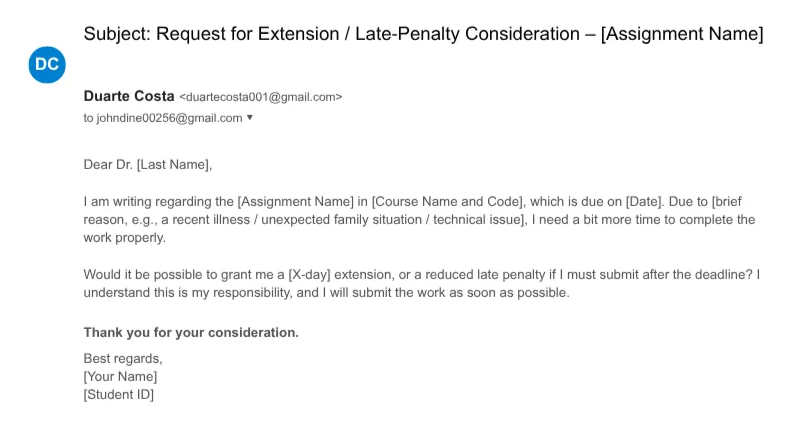
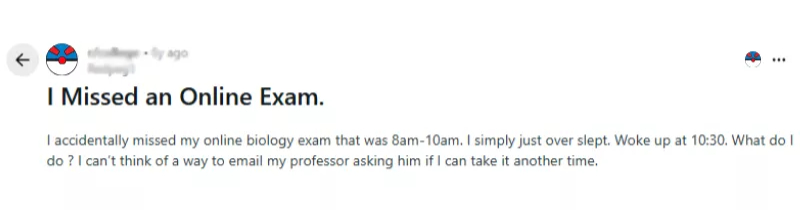
While missing a deadline might not be the end of the world, learn from your mistakes. Use this as a wake-up call. Analyze why you missed it. Was it poor time management, or are you simply overwhelmed with too many credits?
Finding the right help with online classes is difficult. Numerous websites offering the same type of services are available online, yet only a few of them can provide the assistance you need. It is crucial to check the expert qualifications, prices, and the team strength before you place an order.
With online learning taking the center stage, students have a lot on their plates. From managing the classes, assignments, homework, to preparing for exams, they are almost always stressed with them. This is one of the primary reasons they look forward to hiring academic help online.
However, there are a few things they must consider to find the right academic help online. Here, we will address the points to consider in order to find the right help.
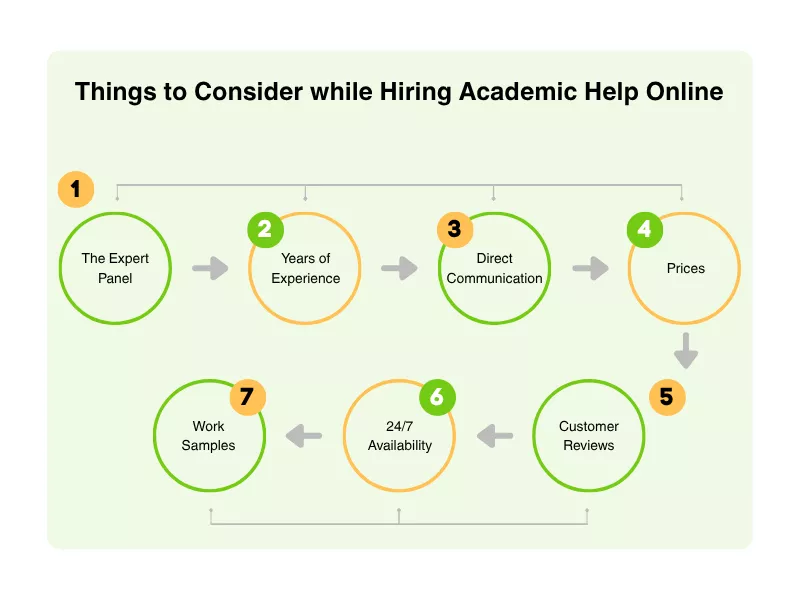
There are quite a few things you need to consider before you hire expert for online course. The reputable take my online class websites assist with different aspects related to online learning and have the right team strength to support students.
But how will you know which is popular and which is not? Well, here are the checkpoints that will help you determine and differentiate between a good academic help website and an average one:
The first thing to check is the team of experts associated with the website. A major difference between a reputable website and an average one is that the average ones do not share their team of experts.
If you come across a website that talks about having a strong team of experts, but the panel is hidden, do not trust them. It is crucial to avoid scams when hiring an online class assistance expert. Therefore, check the panel of professional online class helpers before signing up with the website.
The website you choose must have relevant years of experience in handling online learning problems. Signing up with a comparatively new website will not be beneficial. They might not be aware of the correct ways to solve problems and guide students in the wrong direction.
An experienced website has an idea about the different problems a student might face and offers the right academic assistance for classes. Therefore, whenever you visit a website, check how long they have been providing help before hiring them to take your online class.
Communication is limited in online learning. So, when you choose a website, you must check if they allow you to communicate directly with the expert. This will actually help you get the best academic help online.
When you hire someone to take my online class, you need to share all the necessary details, including the specific information shared by your instructor. Direct communication helps avoid all sorts of confusion and lets you get accurate solutions to all online class problems.
This is a tricky part, and it depends on how you define affordable academic help online. When you search for help online, you will come across numerous websites that offer help at low prices.
You can place an order if you want the services at low prices, but please remember the results will not be as you expect. Instead, look for affordable academic help for online classes.
Students often go away when the prices are high. You need to understand that the websites asking for higher prices also promise that level of quality. Therefore, when you go through the prices, don’t decide on the basis of how affordable it is.
Instead, go through each and every aspect to understand why such prices exist and make an informed decision.
One of the most important things to do is to check the customer reviews. The best way to do it is by checking the reviews on third-party websites. It will help you understand if the website you chose has all that it boasts of or not. Further, it gives you a clear picture of which website to choose and which one to avoid.
Most students are in a hurry to get help with their online classes and often ignore going through the best online class help services reviews. It is highly recommended that you check what others have said about the website before you pay someone for online class help.
Find a website that is available 24/7 to help you with the problems. While most of them say they are available throughout the day, only a few live up to the expectation. The best way to test and hire reliable online class takers is by placing a query at an odd hour. If they revert in seconds, choose them; if not, ignore and move on.
Since interaction with teachers is limited in online learning, it is crucial to find a website that is available at your beck and call. That way, you will not have to wait long to get a solution or some guidance with your assignments, homework, or any other task.
Do not go ahead and sign up with a website without checking its past work. Ask for work samples to understand if they can do your work. This adds to the clarity you need before hiring academic help online.
The reputable websites ensure that students get all the necessary resources to understand before they make a final decision.
If you are taking online classes, then the demands and absence of your teacher might just make you annoyed. While most call online classes easy, flexible, and convenient, we are well aware of the potential challenges students face with online courses.
However, with online class help and tutoring services, these problems can be dealt with. Now, if you are confused about online class help vs tutoring services, then this blog is for you.
Online classes demand your time, efforts, and also your sanity. Though with the advent of learning management systems, online course providers have streamlined teaching and learning methods, it is still no news that the demands often make it impossible for students to do well in their coursework. This is where online class help services come into play.
A help with online class service basically lets you outsource your coursework to the best minds in the USA. These subject experts take your online class on your behalf and help you meet deadlines, get top grades, and maintain your attendance.
In summary, these services support you in whichever way you need to ensure you achieve success. They also guarantee grades, so your money is not at stake.
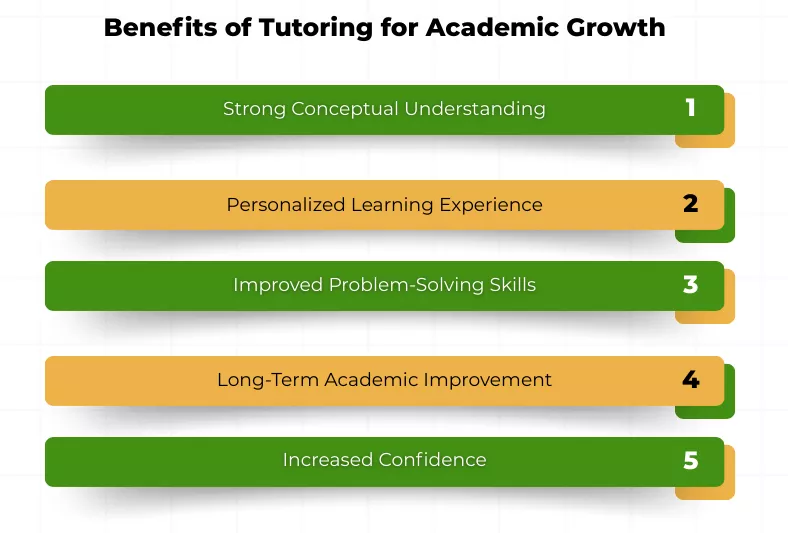
The major difference between online tutoring vs class help is that here you gain access to tutors all over the world to teach you. In the tutoring services, you get:
These tutors help you by breaking down the concepts, explaining complex topics, and showing you how to solve each question quickly. However, they do not take your classes on your behalf. Furthermore, tutoring services grades are not guaranteed.
Now, let’s check out the detailed difference between online class help and tutoring!
| Aspect | Traditional Tutoring | Take My Class Services (Online Class Help) |
| Primary Purpose | Improve understanding of concepts | Improve grades by handling coursework |
| Who Completes the Work? | Student completes assignments | Experts complete assignments, quizzes, exams |
| Learning Focus | High (concept clarity & skill-building) | Moderate (performance-focused) |
| Grade Improvement Speed | Gradual | Fast and immediate |
| Time Commitment | High (regular study sessions required) | Minimal (hands-off approach) |
| Deadline Management | Managed by student | Fully handled by experts |
| Best For | Students wanting deep understanding | Busy students or those with tight deadlines |
| Flexibility | Fixed schedules | Highly flexible, 24/7 support |
| Stress Level | Can still be high due to workload | Significantly reduced |
| Cost Structure | Hourly/session-based | Course-based or assignment-based |
| Risk of Missing Deadlines | Higher (depends on student) | Very low (expert-managed) |
| Suitability | Long-term academic growth | Short-term performance & grade boost |
| Personal Involvement | High involvement required | Low involvement required |
| Support Scope | Limited to teaching | Full-service academic assistance |
Now, you must be wondering who improves grades faster? After all, whether you should pay someone to take your online class or not depends entirely on who can improve your grades quickly!
Technically, online class help services are the best for grades improvement. Why, you may ask? Well, these work faster than traditional tutoring, but for a specific reason:
This is why students searching “online class help vs tutoring services” often choose class help when they’re short on time.
On the other hand, in traditional tutoring:
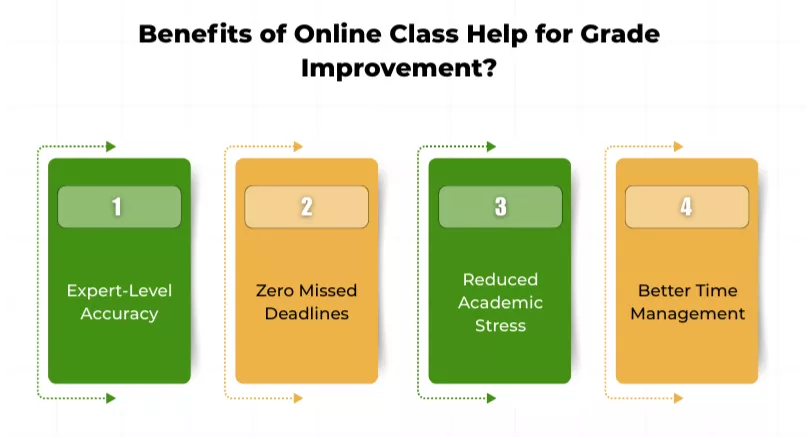
If you are willing to improve grades online by hiring a class taker, you need to know the benefits of hiring someone to take my online classes. Online class help services are basically designed with one clear goal: helping students achieve better grades with less stress and time pressure.
Here are the key benefits that directly impact your academic performance:
These services connect you with subject experts with expertise in handling the LMSs. Thus, when you hire them, you not only get access to the best minds but also hire experts who are familiar with the requirements, grading criteria, and academic standards of the institutions and LMS.
Every online student knows that late submissions can drastically affect grades. When you hire the experts to do your homework and assignments, you can rest assured that all deadlines will be met. This is so because experts are always on top of your coursework. Furthermore, the dedicated project managers ensure no deadline is missed. Therefore, you get overall better grades.
Managing multiple courses, part-time jobs, and personal responsibilities can be overwhelming. When experts share the load of online coursework, your academic stress reduces. You get the freedom to concentrate on things that actually matter to you. In other words, you can outsource your stress and, in return, elevate your grades.
Instead of spending hours struggling with difficult subjects, you can allocate time to exams, other important courses, and also Personal commitments. Time management is essential for overall online class success.
Hiring an expert is one of the best time management tips for online class success. Furthermore, these experts help you with complex subjects that take a lot of your time and energy.
Apart from these, when you hire experts, you get consistently good grades and personalized online class assistance. Therefore, you can even apply for academic grants.
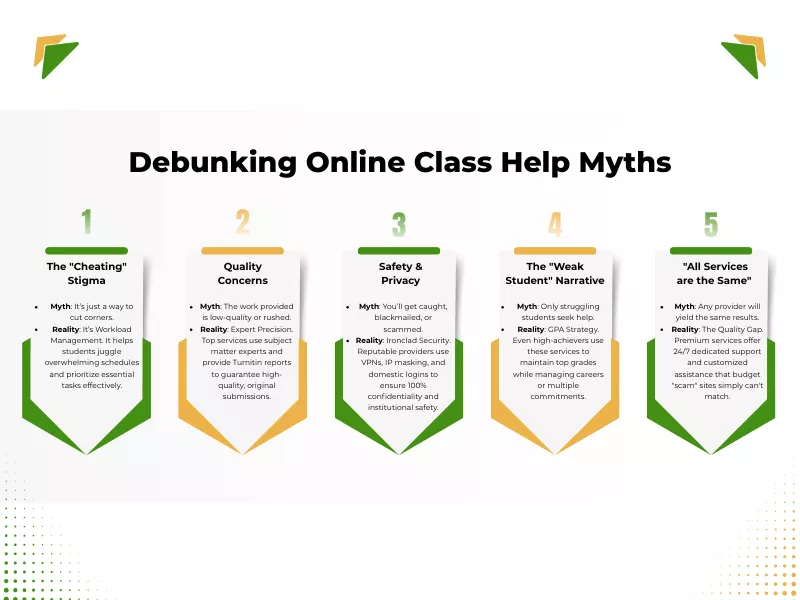
If you are drowning in assignment deadlines, failing to manage classes properly, have hit a burnout, need urgent assignment help, are not prepared for exams, or need to maintain top grades to keep your grant, you must choose online class taking services.
Basically, online class assistance services are the easiest and quickest option to gain a competitive edge when you avoid scams when hiring an online class helper. This is the major online class help vs tutoring services differentiation point.
Now that you have learned the benefits of online class assistance, let’s see how tutoring services benefit you! Or when is a tutoring service better?
Have you ever felt that your grades don’t match the performance during exams? Well, you are not alone. Numerous students face this in online classes. The reason is that they are completely unaware of how online classes are graded.
If you are of the idea that your grades only depend on how you do in the exams, you are absolutely mistaken. In fact, students are graded based on automated quizzes, discussion board engagement, proctored exams, project-based assessments, and more.
Here, we will take you through the ways the classes are graded that you don’t know about.
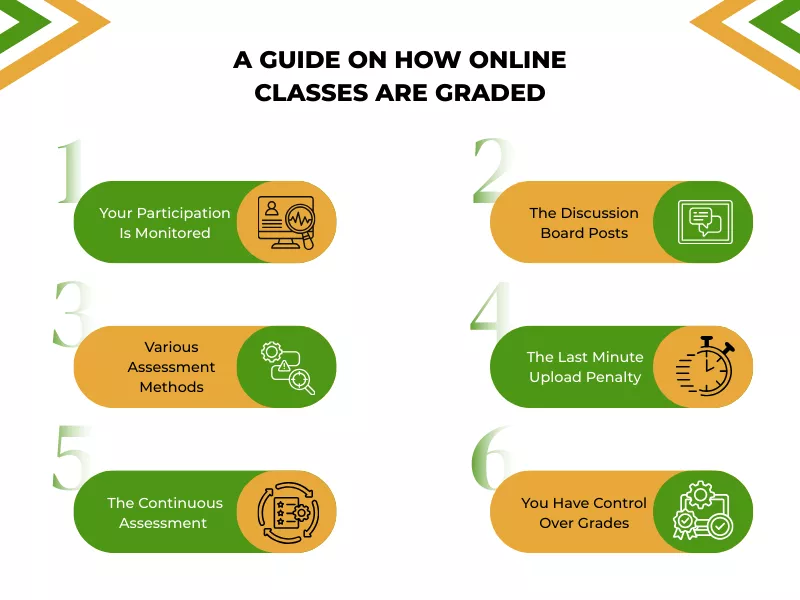
In online classes, your grades depend on a lot of things other than the quizzes, tests, and exams. Let’s take you through the things that you come across in your classes, but don’t know how they also play an important role in your overall grades:
Believe it or not, your participation in online classes is monitored, and that might affect your grades. The difference between online and in-person classes is that your professor will not know if you are logging in and studying the lessons.
However, the professors can track your daily login and participation in online classes, and that plays a major role in your overall grades. In fact, the do my online class experts always talk about how students need to stay active in the classes to get good grades.
A common misperception in online courses is that participating in discussion boards is optional. Most of you often ignore posting on them. What you don’t know is that these posts actually have a major role in your overall grades.
Professors often assess the quality of interaction to understand your engagement and grade you on that. While you cannot ignore the common online class technical issues, you need to take the necessary steps to solve the problems and ensure your participation does not get hampered.
The online class grading system, as you have already understood, does not depend only on the Big Three (midterm, final, and term paper). In fact, your grades often rely on electronic portfolios, video clips, and group projects.
Therefore, a student’s final grade depends on how well they do in everything, not only in tests. So, if you see that your grades are lower, look for all the aspects where you fell behind. Talk to your professor to understand the various things and start working on them to improve your grades.
Many students feel that submitting an assignment even a minute before the deadline is safe. Well, it’s not. If you know how professors grade online classes, you will never make this mistake.
Constant last-minute submissions indicate poor time management skills and change how your professor perceives your seriousness, and consequently affect your grades. It is, therefore, recommended that you aim for a 24-hour buffer for assignment submission.
In online college courses or any other online courses, you are always being assessed. The stats that you see about your progress on the platform play a major role in your assessment. In fact, this has almost replaced the high-stakes final exam.
The problem is that students often ignore the small tasks, like multiple choice questions, and others. They assess the performance trend to understand your mastery and grade you accordingly. Therefore, you need to focus on everything you come across during your online courses.
This is the silver lining for students. You have control over your grades. Sounds strange? Well, if you look at the ways you are graded, you will understand that you can keep it in control from the beginning. The online education process allows you to focus on all the things and improve your grades.
As mentioned earlier, everything that you come across in online classes contributes to your final grades. Therefore, when you start your journey, you can stay on top of all of them and maintain consistent grades throughout.
That being said, you also need to know the best ways to stay on track and focus on your studies. Let’s take you through a few tips to ensure you don’t lag when it comes to grades.